To mark Rabbit Awareness Week this June, we’re highlighting one of the most important seasonal health issues affecting rabbits – flystrike.
Flystrike (also known as myiasis) is a serious and potentially life-threatening condition that can develop very quickly. However, with regular checks, preventative care and early recognition of problems, the risk can be greatly reduced.
At Beehive Vets in Rothwell, we’re passionate about helping rabbits live happy, healthy lives. In this blog, we’ll explain what flystrike is, why it happens, how to spot the signs and the simple steps you can take to help protect your rabbit.
What is flystrike?
Flystrike occurs when flies lay eggs on a rabbit’s fur. These eggs hatch into maggots, which then begin to feed on the rabbit’s skin and underlying tissues.
This is extremely painful and can rapidly lead to shock, infection and, in severe cases, can sadly be fatal.
Flystrike is most common during the warmer months when flies are more active, but it can occur at any time of year.
Which rabbits are most at risk?
Any rabbit can develop flystrike, but certain factors make it much more likely. Higher-risk rabbits include those with:
- A dirty or wet bottom
- Soft droppings or faeces stuck around the tail
- Dental disease affecting their ability to eat or groom normally
- Arthritis or reduced mobility
- Obesity
- Long or matted coats
- Urinary problems causing wet fur
- Open wounds or skin infections
Rabbits are naturally very clean animals, so if your rabbit regularly has a dirty bottom, there is usually an underlying reason that needs investigating.
Signs of flystrike in rabbits
Early signs can be subtle, especially because rabbits are prey animals and often hide illness. Please contact your vet urgently if you notice:
- Your rabbit seems quieter than normal
- Reduced appetite
- Lethargy or weakness
- An unusual smell from the coat
- Wet, dirty or matted fur
- Flies around your rabbit’s enclosure
- Visible eggs or maggots in the fur
Flystrike is always an emergency – please don’t wait to see if things improve.
How can I prevent flystrike?
The good news is that there are several simple steps you can take to greatly reduce your rabbit’s risk.
Check your rabbit every day
During warmer weather, check your rabbit’s bottom and underside at least once daily. Rabbits at higher risk may need checking more frequently.
Look for:
- Damp fur
- Droppings stuck around the tail
- Fly eggs (which can look like tiny white grains)
- Any soreness or changes to the skin
Early detection makes a huge difference.
Keep your rabbit’s environment clean
Flies are attracted to damp, dirty areas.
Regularly remove soiled bedding and make sure your rabbit’s living area stays clean, dry and well ventilated.
Maintain a healthy diet and weight
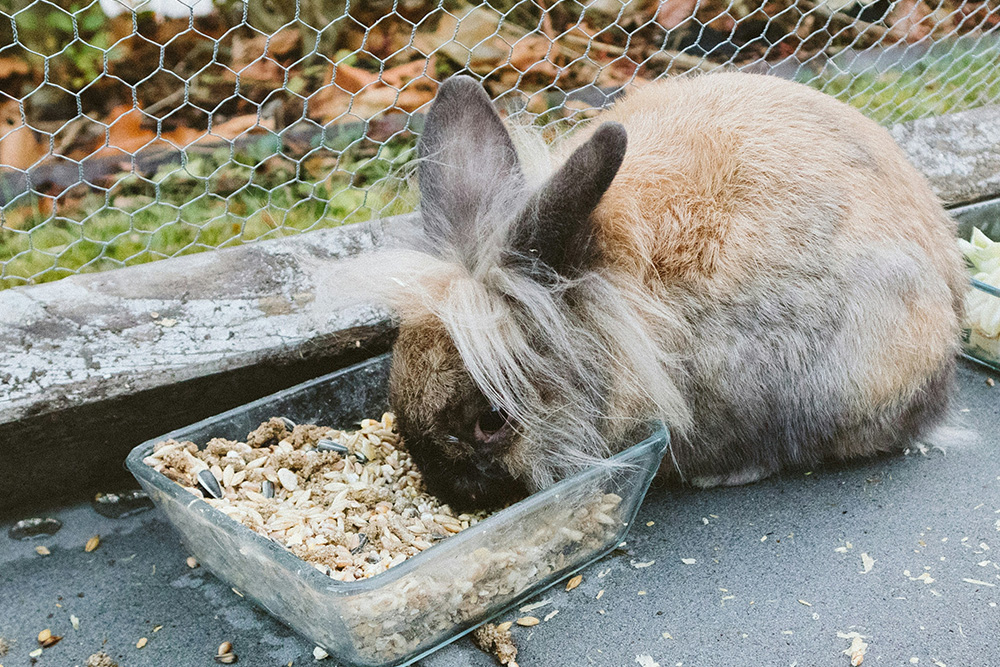
A healthy diet plays a huge role in preventing flystrike. Rabbits should eat a diet mainly based around good-quality hay or grass, alongside fresh greens and a measured amount of rabbit pellets.
A suitable diet helps maintain:
- Healthy teeth
- Normal digestion
- Healthy droppings
- A healthy body weight
This reduces problems such as obesity, dental disease and soft stools, which can all make flystrike more likely.
Flystrike prevention products
In addition to regular checks and good care, there are preventative products available that can help protect rabbits from flystrike. These are applied to your rabbit’s coat, and they work by preventing fly eggs from developing into harmful maggots, giving an extra layer of protection during fly season.
These treatments can be especially useful for rabbits at increased risk, including older rabbits, those with mobility issues, dental problems, or rabbits that have previously suffered from a dirty bottom. It is important to remember that preventative products do not replace daily checks – flystrike can still occur, and any underlying problems should always be investigated.
Please only use products specifically designed for rabbits, as some treatments used in other species can be harmful. Our team at Beehive Vets can advise which products are suitable for your rabbit and when they should be applied.
Regular rabbit health checks
Many of the conditions that increase the risk of flystrike develop gradually and can be difficult to spot at home. Regular veterinary health checks allow us to assess your rabbit’s:
- Teeth and mouth health
- Weight and body condition
- Skin and coat condition
- Mobility and signs of arthritis
- Diet and general wellbeing
Rabbit teeth grow continuously throughout their lives, meaning dental problems are common and can affect eating, grooming and overall health.
Older rabbits can also develop arthritis, making it harder for them to keep themselves clean. Identifying these issues early allows us to improve their comfort and reduce the risk of complications such as flystrike.
What should I do if I find maggots on my rabbit?
If you suspect flystrike:
- Contact a vet immediately
- Keep your rabbit warm and comfortable
- Do not try to treat the problem at home
Even if only a small area appears affected, there can be much more damage hidden underneath the fur.
Rabbit care at Beehive Vets
At Beehive Vets in Rothwell, we believe prevention is always better than emergency treatment.
Routine rabbit health checks help us identify small problems before they become serious, helping your rabbit stay healthier and happier throughout their life.
If you’re worried about your rabbit, would like advice on flystrike prevention or want to discuss preventative treatments, our friendly team is here to help.
Contact Beehive Vets to book an appointment or speak to one of our team.