As pet owners, we often worry about our pets getting sick, especially when the weather changes. One common concern is whether our pets can catch colds as humans do.
In this blog, we’ll answer these questions and explain the facts behind pet colds, so you can take the best care of your four-legged friends.
Do Dogs Get Colds?
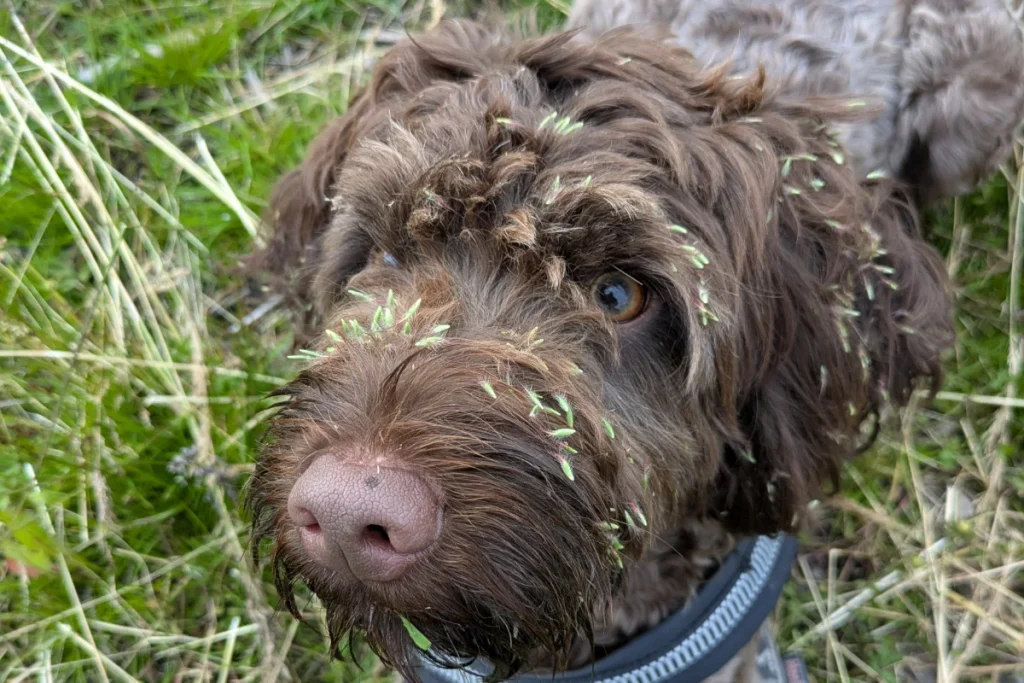
When it comes to dogs, the short answer is no, dogs don’t exactly catch “colds” in the same way humans do. However, dogs can suffer from respiratory infections that mimic cold symptoms. These infections, often referred to as canine respiratory disease or kennel cough, can cause coughing, sneezing, nasal discharge, and sometimes a low-grade fever. While this isn’t a “cold” in the traditional sense, it can certainly make your dog feel under the weather.
The key difference between a cold and kennel cough is that kennel cough is caused by bacteria or viruses, and it is often more contagious. If you’ve noticed your dog sneezing more often or coughing persistently, it’s important to visit your vet to get a proper diagnosis and treatment.

Can Cats Catch a Cold?
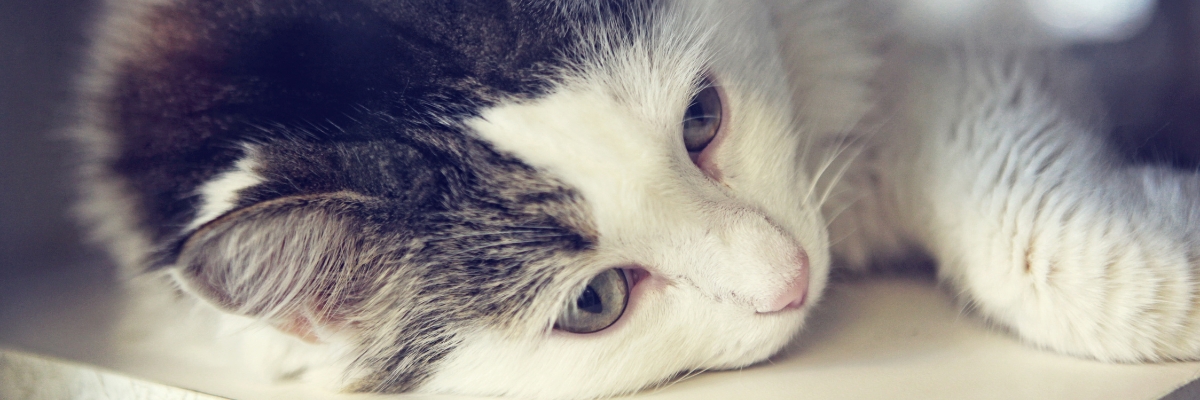
Like dogs, cats can’t catch the same type of cold that humans do, but they can develop upper respiratory infections (URIs) that resemble cold symptoms. These infections are often caused by feline herpesvirus or calicivirus, which can lead to sneezing, nasal discharge, coughing, and watery eyes.
These infections are particularly common in shelters or multi-cat households where the viruses can spread more easily. While not contagious to humans, these viruses can spread from one cat to another, especially if they are in close contact. If your cat is showing signs of a URI, it’s important to take them to the vet for diagnosis and treatment, as some of these infections can become more severe without intervention.
Can Pets Catch a Cold from Humans?
You might be wondering if the common cold that you have could be passed on to your pet. Fortunately, the viruses that cause human colds, such as rhinoviruses, don’t typically affect pets.
Cats and dogs are different species from humans, and the viruses that cause our colds are not the same ones that affect animals.
That said, your cat or dog can catch other types of viral infections that cause similar symptoms. If your pet is showing signs of illness, it’s always best to consult with your veterinarian to rule out any serious conditions.
What Are the Symptoms of a Pet Cold?
Whether your dog or cat is suffering from a respiratory infection or an illness that resembles a cold, the symptoms are usually similar. Here are some of the most common signs to look out for:
- Sneezing: Frequent sneezing can indicate an upper respiratory infection in both dogs and cats.
- Coughing: A persistent cough, especially in dogs, could be a sign of kennel cough or another respiratory condition.
- Nasal Discharge: A runny nose or mucus buildup is a common symptom in both dogs and cats.
- Watery Eyes: If your pet’s eyes are watery or have discharge, it may indicate a cold-like infection.
- Loss of Appetite: Pets feeling unwell might lose their appetite or show less interest in food.
- Lethargy: Just like people, pets may seem more tired or sluggish when they’re not feeling their best.
If your pet shows any of these symptoms, it’s important to consult your vet to determine the cause and get the appropriate treatment.
How to Prevent Colds and Respiratory Infections in Pets
While your pets may not catch “colds” the way humans do, there are still steps you can take to help prevent respiratory infections:
- Vaccinations: Ensure that your dog or cat is up-to-date on their vaccinations. Vaccines can protect them from viruses like kennel cough in dogs or feline herpesvirus in cats.
- Good Hygiene: Keeping your pet’s living environment clean can help reduce the spread of bacteria and viruses. Regularly clean food bowls, toys, and bedding.
- Avoid Exposure: If you know your pet is prone to respiratory issues, try to limit exposure to other sick animals. This is especially important in crowded settings like dog parks or animal shelters.
- Boost Immunity: A healthy diet, regular exercise, and proper grooming can help keep your pet’s immune system strong. Candice, our pet nutritionist at Beehive Vets can help you create a tailored, balanced diet for your pet.
When to See a Vet
If your pet is showing symptoms of a cold or respiratory infection, it’s always a good idea to take them to the vet. While mild cases of kennel cough or upper respiratory infections can often be managed with rest and supportive care, more serious conditions like pneumonia or severe viral infections may require medication or more intensive treatment.
At Beehive Vets, we can help diagnose and treat respiratory issues in pets, ensuring that your pet gets back to feeling healthy again. Don’t hesitate to contact us if your pet is showing signs of illness.