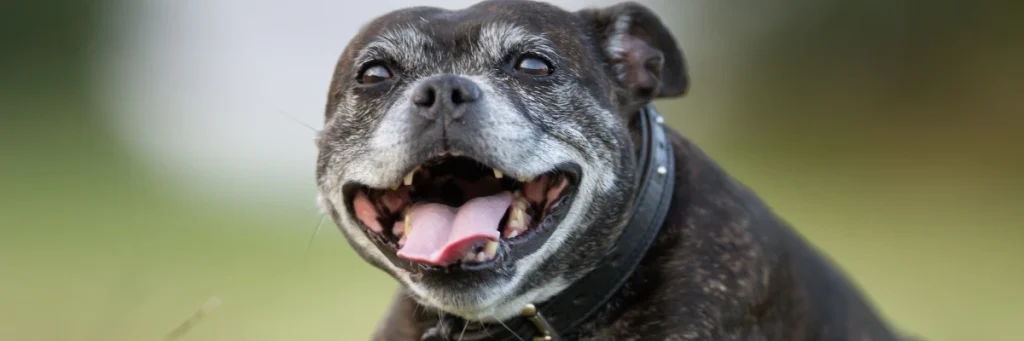
Dental disease is one of the most common health problems affecting dogs, yet it often goes unnoticed until it becomes painful or advanced. Many owners assume bad breath or tartar is normal, but dental disease can lead to chronic discomfort, tooth loss, and even complications affecting major organs.
If you have concerns about your dog’s teeth, the Beehive Vets team is here to help.
This blog will help you understand the signs and how to act, which, if spotted early, can significantly improve your dog’s comfort and long-term health. We regularly diagnose dental disease during routine examinations and help owners prevent progression through early intervention and tailored home care. For urgent care, don’t hesitate to get in touch with us – our contact details are here.

Understanding Dental Disease in Dogs
What Is Dental Disease in Dogs?
Dental disease – commonly called periodontal disease – begins with plaque, a sticky film of bacteria that forms on teeth after eating. Without regular removal, plaque hardens into tartar, irritating the gums and allowing infection to develop below the gumline.
As inflammation progresses, the supporting tissues and bone around the teeth become damaged. This can result in pain, loose teeth, and infection that may spread beyond the mouth.
How Common Is Dental Disease?
Dental disease is extremely common. By three years of age, most dogs show some level of periodontal disease, particularly small breeds, older pets and some pets are more prone to dental disease due to their genetics.
Because dogs often hide discomfort, the condition may advance before obvious signs appear. Routine dental checks are therefore essential for early detection and prevention.
Why Oral Health Matters for Overall Well-being
Dental infection does not stay confined to the mouth. Bacteria can enter the bloodstream and cause infections in other organs such as the kidneys or bladder.
Vet Esther at Beehive vets says it is important to maintain good oral health to help prevent chronic oral pain, protect organ function, and it also supports a better quality of life throughout your dog’s lifespan.
Signs and Symptoms of Dental Problems in Dogs
Early Warning Signs Every Owner Should Recognise
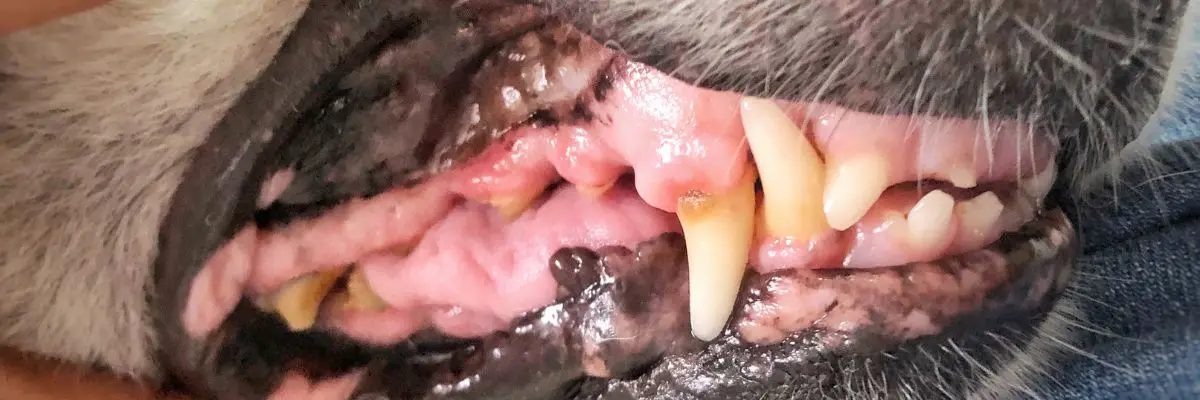
Early dental disease can be subtle, so it’s important to look out for common indicators, which can include:
- Mild to severe bad breath
- Yellow or brown tartar buildup
- Red or irritated gums
- Drooling
- Reluctance to chew harder food or toys
Recognising these signs early allows treatment before significant damage occurs. At Beehive Vets, our qualified team of nurses can help you with the teeth cleaning process.
Advanced Symptoms and When to Contact Your Vet
As dental disease progresses, symptoms may become more obvious and uncomfortable. Veterinary assessment is recommended if you notice:
- Bleeding gums
- Difficulty eating
- Pawing at the mouth
- Facial swelling
- Excessive drooling or discharge
Advanced dental disease can be painful and requires prompt care.
To further understand pain management in your pets, take a look at this blog.
Breath Odour, Tooth Loss, and Behavioural Changes
Persistent foul breath is often a sign of infection rather than normal “dog breath.” Loose or missing teeth, irritability, reduced appetite, or decreased interest in toys may also indicate chronic oral discomfort.
Behavioural changes are frequently mistaken for ageing when dental pain is actually the underlying cause. Our Vet, Esther, says that Dental disease can cause pain and dogs are very good at covering up the pain so it’s always best to get things checked out.

Causes and Risk Factors
Why Dogs Develop Dental Disease
Dental disease develops when plaque is not regularly removed. Bacteria accumulates and triggers inflammation and infection beneath the gumline.
Unlike humans, dogs depend on owners for oral hygiene, making preventive care especially important.
Breed Predisposition and Age-Related Risk
Small breeds are particularly prone due to crowded teeth and reduced natural cleaning from chewing. Flat-faced breeds may also experience dental challenges related to jaw structure.
Risk increases with age as tartar accumulates and immune response changes.
Diet, Genetics, and Preventive Factors
Soft diets, limited chewing activity, and genetic predisposition can increase dental disease risk. Conversely, regular brushing, dental chews, and routine professional care significantly reduce disease progression.
How Canine Dental Disease Progresses if Left Untreated
- Stage 1: Plaque and Gingivitis – Plaque causes gum inflammation and redness. This stage is reversible with professional cleaning and home care.
- Stage 2: Early Periodontal Disease – Tartar and infection extend below the gumline, causing mild tissue and bone damage.
- Stage 3: Advanced Periodontal Disease and Tooth Loss – Significant tissue destruction leads to loose teeth, chronic pain, and deep infection.
Serious Complications: Organ Damage
Bacteria from dental infection can enter the bloodstream and contribute to organ damage. Early dental care helps reduce these risks and supports overall health.
How to Prevent Dental Disease at Home
Brushing, Chews, and Diet
Regular tooth brushing is the most effective way to prevent plaque buildup. Introducing brushing gradually with dog-safe toothpaste helps create a positive routine.
Dental chews, toys, and specially designed diets can provide additional plaque control through natural chewing action.
Regular Vet Check-ups and Professional Cleanings
Routine dental examinations allow early identification of tartar, gum inflammation, and hidden disease. Professional scale and polish procedures under general anaesthesia to remove hardened tartar and provide a comprehensive oral assessment.
Our governing body, the Royal College of Veterinary Surgeons, advises against anaesthesia-free dental procedures because a full oral exam cannot be performed, it doesn’t allow for cleaning of the sub-gingival area, and it can actually cause more discomfort in the long run for pets.
Nutrition and Lifestyle Choices for Healthy Teeth
Balanced nutrition, appropriate chew toys, and maintaining a healthy weight all support dental health. Encouraging safe chewing behaviour helps maintain natural tooth cleaning.
To learn more about pet weight management for your pet, visit our recent blog here.

Canine Dental Treatment Options at Beehive Vets
Professional Canine Dental Cleaning
Professional dental cleaning includes ultrasonic scaling, polishing, and full oral examination. Dental radiographs may be used to identify hidden disease beneath the gumline.
Tooth Extractions and Advanced Procedures
Severely damaged or painful teeth may require extraction to restore comfort and prevent ongoing infection. Advanced procedures can address fractures, abscesses, and periodontal disease.
In some cases, treatment may be safely staged across multiple procedures. This approach reduces anaesthetic duration, particularly for senior pets or those requiring extensive work, allowing thorough treatment while prioritising safety and recovery.
Post-Treatment Care and Recovery
Most dogs recover quickly following dental procedures with appropriate pain relief and home care guidance. Owners receive tailored advice on feeding, monitoring healing, and establishing preventive routines.
The Beehive Vet’s Approach to Dental Health
We focus on gentle handling, thorough diagnostics, and preventive education. Comprehensive oral exams and tailored treatment planning help ensure safe, effective dental care for every patient.
Why Choose Beehive Vets for Your Dog’s Dental Care
Preventive-Focused Veterinary Care
Here at Beehive Vets, we focus on early detection, realistic home care advice, and proactive dental treatment to help dogs avoid unnecessary pain and complex procedures later in life.
Modern Dental Equipment and Patient Safety
Advanced dental equipment, imaging technology, and careful anaesthetic monitoring allow safe and effective treatment for dogs of all ages.
Book Your Dog’s Dental Assessment Today
If you’ve noticed bad breath, tartar buildup, or changes in eating behaviour, it’s time for a dental check-up. This can help identify problems early and prevent discomfort.
Regular dental assessments remain one of the most valuable steps in protecting your dog’s comfort, health, and quality of life.
Click here to book your dog’s dental check today or contact Beehive Vets for personalised advice on maintaining healthy teeth and gums. We’re always happy to help!