Most pet owners know to keep chocolate away from dogs at Easter, but chocolate isn’t the only danger lurking in your home and garden this time of year.
A lot of pet owners have never even considered some of the most serious seasonal poisons. Here are four hazards we think need some more attention.
1. Hot cross buns and dried fruit
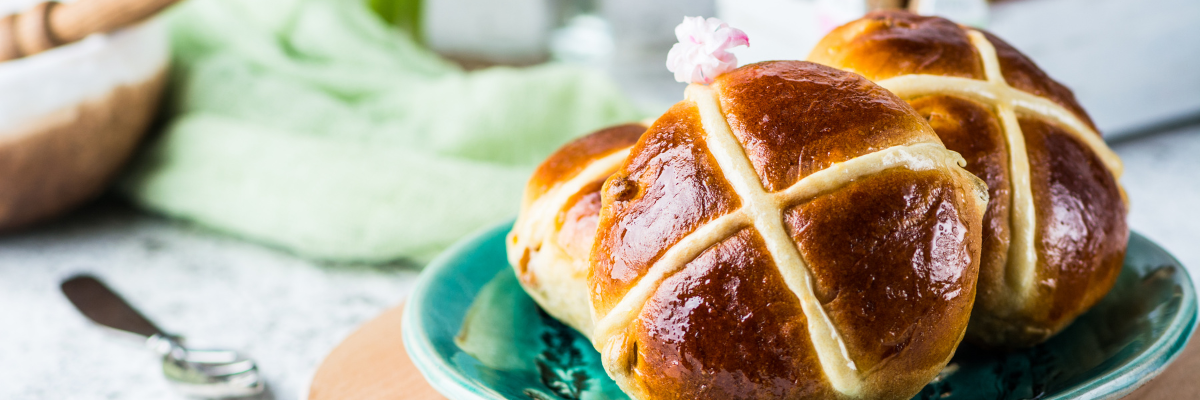
Hot cross buns are full of raisins, currants, and sultanas, all of which are toxic to dogs and may also be harmful to cats – they can even cause sudden kidney failure.
Even tiny amounts of these can be dangerous, and no one is really sure what the exact toxic dose is, meaning there is no real “safe” threshold.
Watch for vomiting, diarrhoea, lethargy, or a sudden loss of appetite after any exposure.
2. Sugar-free products and xylitol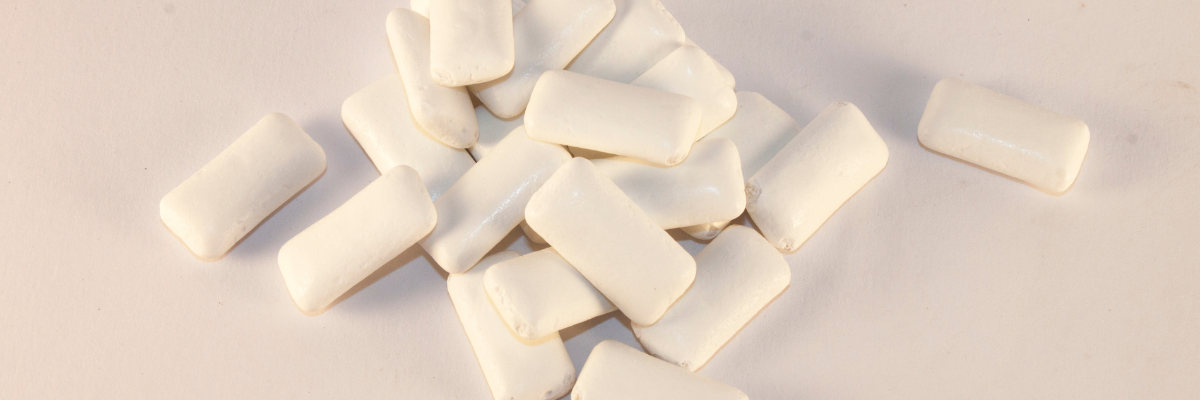
Sugar-free sweets, chewing gums, even some peanut butters, and certain medicines can contain xylitol.
Xylitol is an artificial sweetener regularly consumed by humans but is very toxic to dogs.
In dogs, xylitol can cause blood sugar to plummet dangerously within minutes. In larger doses it can even trigger liver failure.
Watch out for sudden weakness, trembling, collapse, or seizures.
3. Spring flowers – especially lilies and daffodils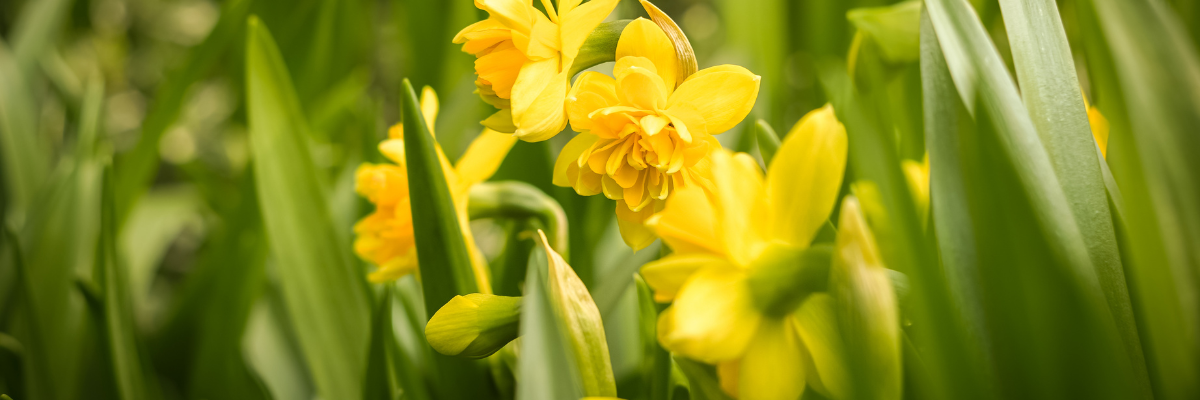
Flowers that many of us have around Easter including daffodils and lilies can be extremely toxic to our pets.
Lilies are extremely dangerous to cats.
A cat can simply brush past one and end up with pollen in their fur. Then the next time they groom themselves it would be enough to cause serious poisoning – even drinking the water the flowers have been sitting in can be a danger.
If you have cats, we’d recommend avoiding lilies in the home entirely. Even very small exposures can be life-threatening.
Daffodils and tulips can also poison both cats and dogs, especially if bulbs are eaten. What makes them so dangerous is how little pets need to consume to become ill. Look out for dogs digging them up in the garden.
Signs of poisoning from any spring bulb or flowers include drooling, reduced appetite, lethargy, vomiting, a wobbly gait, and in severe cases, collapse.
4. Slug pellets in the garden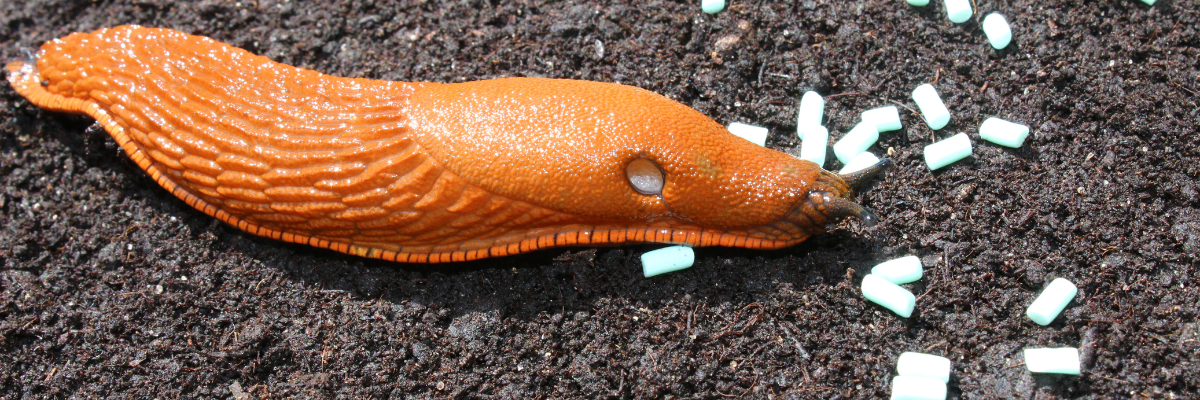
As the weather warms up and gardens start to flourish, you might reach for slug pellets, without realising that they can be just as dangerous to our dogs as the slugs!
Older slug pellets still stored in sheds and garages may contain metaldehyde which is especially dangerous for our pets and has been banned for outdoor use in Great Britain since 2022 – check the label on any old slug pellets.
Even a small amount can cause significant poisoning, and symptoms can appear within an hour. These include uncoordinated movement, tremors, and fits.
If you think your dog has walked through an area treated with pellets, wash their paws and mouth straight away. If you think your pet has ingested slug pellets we urge you to seek assessment by your vet as a precautionary measure.
A note on chocolate

Here at Beehive Vets, chocolate is still the most common Easter poisoning we see. There is no antidote, so the sooner we act the better. With prompt treatment, most dogs make a full recovery. If your dog has eaten any, call us right away.
Worried your pet has eaten something harmful?
Don’t wait and see. Call us on and we’ll advise you straight away.
Or if it’s out of hours call Swift Referrals when we are closed 01937 374888.