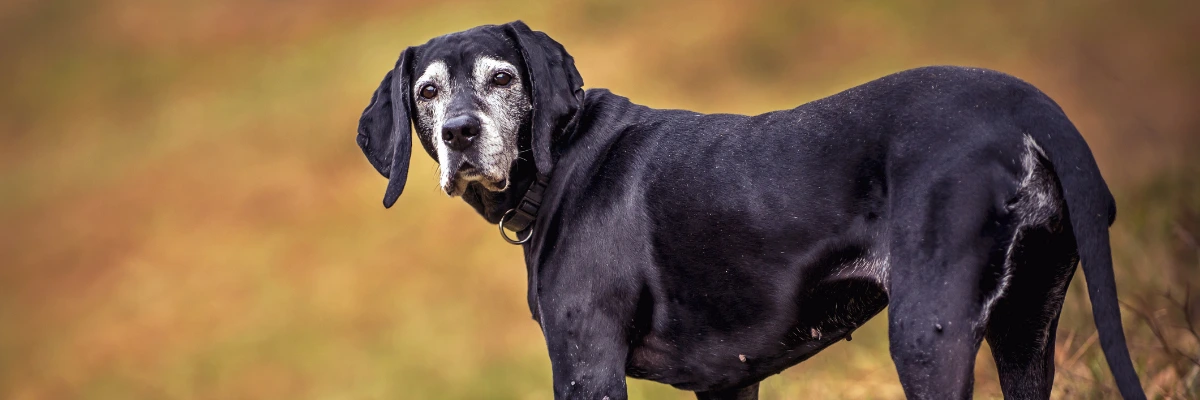
It can be difficult to pinpoint the moment your dog becomes a senior. Perhaps they’re a little slower on their morning walk, sleep more deeply than they used to, or suddenly think twice before jumping into the car. A greying muzzle often creeps up on us too.
Dogs do tend to show their age more obviously than cats, but getting older doesn’t mean that every change is simply something they – or you – have to accept. Many of the problems we associate with ageing can be treated or managed, often very successfully.
At Beehive Vets, we’re proud to be a Dogs Trust Dog Friendly Clinic, and looking after older dogs is a particularly important part of what we do. With regular health checks, early intervention and a few adjustments at home, senior dogs can continue to enjoy an excellent quality of life for years.
When Is a Dog Considered Senior?
There isn’t a single age at which every dog suddenly becomes “senior.” How quickly dogs age varies considerably according to their breed, size and individual health.
As a general guide, small dogs often don’t reach their senior years until around 10 to 11 years of age. Larger breeds tend to age more quickly, while some giant breeds may be considered senior from around six or seven.
The number itself is less important than the individual dog. A healthy ten-year-old terrier may still be bouncing around like a youngster, while a seven-year-old large breed dog may already be developing age-related problems.
As dogs move into their senior years, regular monitoring becomes increasingly important, even when they appear perfectly well. Detecting subtle changes early often gives us far more options for managing them.
How Dogs Show Their Age
Some changes are a perfectly normal part of getting older. Your dog may sleep a little more, walk at a more leisurely pace, develop a grey muzzle or be less enthusiastic about lengthy games.
Other changes deserve a closer look.
A dog that no longer wants to jump into the car may not simply be “getting old” – their joints could hurt. A dog sleeping more might be slowing down naturally, but lethargy can also be a sign of illness. Changes in appetite, thirst, weight, mobility, breathing or behaviour should never automatically be dismissed as old age.
Fortunately, many of the conditions responsible for these changes can be managed.
Health Conditions Common in Senior Dogs
We see a number of conditions particularly frequently in older dogs at Beehive. Recognising their early signs can make a significant difference.
Arthritis and Joint Disease
Osteoarthritis is one of the most common conditions affecting older dogs – and one of the easiest to underestimate.
Dogs with arthritis don’t necessarily limp. Often the first signs are much subtler: taking longer to get up after sleeping, hesitating before climbing stairs, no longer jumping into the car, shortening walks or simply seeming less enthusiastic about exercise.
Osteoarthritis causes progressive changes within the joints, resulting in pain, stiffness and reduced mobility. Although we can’t reverse arthritis, we have far more options for managing it than we once did. Depending on the individual dog, these may include anti-inflammatory pain relief, monoclonal antibody treatment such as Librela, joint supplements, weight management, exercise modification and acupuncture.
The important thing is that arthritis is manageable. Being old doesn’t mean a dog should simply have to live with chronic pain.
Find out more about acupuncture at Beehive Vets
Heart Disease
Heart disease is relatively common in older dogs and can develop quietly over a long period before obvious symptoms appear.
Early signs can include tiring more quickly on walks, reduced exercise tolerance, a persistent cough or changes in breathing. However, dogs with early heart disease may appear completely normal at home.
This is one reason routine examinations become particularly valuable as dogs age. Listening to the heart can identify a murmur or abnormal rhythm before an owner has noticed anything unusual.
Luke has undertaken additional postgraduate training in small animal cardiology, and we have echocardiography facilities at Beehive that allow us to investigate many heart conditions in-house. When appropriate, an ultrasound examination of the heart can help us determine exactly what is happening and whether treatment is required.
Find out more about our cardiology services
Kidney Disease (Chronic Kidney Disease)
Chronic kidney disease, or CKD, becomes increasingly common as dogs get older.
The kidneys perform several vital jobs, including removing waste products from the blood and regulating the body’s fluid and electrolyte balance. Kidney function can gradually decline over time, sometimes without producing obvious signs until a significant amount of function has been lost.
Possible signs include drinking and urinating more than usual, losing weight, reduced appetite, nausea and lethargy.
Blood and urine tests can identify evidence of kidney disease, sometimes before a dog becomes noticeably unwell. Although CKD can’t usually be cured, early diagnosis gives us the best opportunity to manage the condition and maintain a good quality of life.
Dental Disease
Dental disease is extremely common in older dogs and can be a significant source of chronic pain.
One of the difficulties is that dogs are remarkably good at continuing to eat despite dental discomfort. An empty food bowl therefore doesn’t necessarily mean that your dog’s mouth isn’t painful.
Signs can include bad breath, dropping food, chewing predominantly on one side, preferring softer food, pawing at the mouth or becoming reluctant to have the face touched. Sometimes there are no obvious signs at all.
Regular dental assessments allow us to identify painful or diseased teeth and discuss whether treatment is necessary. A comfortable mouth can make a surprisingly large difference to an older dog’s overall wellbeing.
Cognitive Dysfunction Syndrome
Canine Cognitive Dysfunction Syndrome is sometimes described as the canine equivalent of dementia.
Affected dogs may become confused or disorientated, stare into space, get stuck behind furniture or in corners, forget previously learned behaviours or develop unusual sleep patterns. Some dogs begin wandering or vocalising at night, while others become more anxious or start toileting indoors.
These changes are frequently attributed to “just getting old,” which means cognitive dysfunction is probably underdiagnosed.
There isn’t a single cure, but there are ways we can support affected dogs. Environmental changes, behavioural management, nutrition and in some cases medication can all have a role.
Cancer
Unfortunately, the risk of many cancers increases with age.
That doesn’t mean every lump or change in an older dog is cancer, and we don’t want owners to spend their dog’s senior years worrying about every little bump. However, new lumps, unexplained weight loss, persistent changes in appetite or unusual changes in behaviour are worth investigating.
If you find a new lump, it’s generally better to have it assessed rather than waiting to see whether it grows. Many lumps are benign, but where something more serious is present, earlier diagnosis often gives us more options.
Arthritis and Cold Weather: Why Winter Is Harder for Senior Dogs
Many owners notice that their arthritic dog struggles more as autumn and winter arrive.
Cold, damp weather can make stiff joints feel noticeably worse. You might find your dog takes longer to get moving in the morning, is less keen to go outside or seems particularly stiff after sleeping.
Stopping exercise altogether is rarely the answer. Regular, controlled movement helps maintain muscle strength and joint mobility. Several shorter lead walks may be more comfortable than one long walk, particularly on cold days.
At home, provide a warm, supportive bed away from draughts and cold floors. Non-slip flooring can help dogs that struggle on laminate or tiles, while a well-fitting coat can keep older dogs warmer outside.
If your dog’s mobility deteriorates as the seasons change, let us know. Pain relief that was adequate during summer may need reviewing during winter, and treatments such as acupuncture can form part of a wider arthritis management plan.
Find out more about acupuncture and arthritis management at Beehive Vets
Anxiety in Senior Dogs
Anxiety can appear for the first time in an older dog or become more noticeable with age.
There are several possible reasons. Reduced hearing or eyesight can make the world feel less predictable. Cognitive dysfunction can cause confusion, while disruption to familiar routines can become harder to cope with.
Pain is also an important and sometimes overlooked cause of behavioural change. A dog with uncomfortable joints, dental disease or another painful condition may become restless, clingy, irritable or anxious.
Signs can include panting, pacing, difficulty settling, increased dependence on family members, noise sensitivity, disturbed sleep and changes in toileting behaviour.
Our team can investigate possible medical causes and advise on appropriate treatment. Candice can also provide behavioural support, including help with noise phobias. Depending on the cause and severity of the problem, behavioural management can sometimes be combined with medication.
Find out more about pet behaviour services at Beehive Vets
The Signs Every Senior Dog Owner Should Know
Keep an eye out for:
- Slowing down on walks or reluctance to exercise
- Stiffness after rest, particularly first thing in the morning
- Difficulty getting up, jumping or climbing stairs
- Changes in appetite or unexplained weight loss
- Increased thirst or urination
- A persistent cough
- Changes in sleeping patterns
- Confusion, disorientation or forgetting familiar routines
- New lumps or bumps
- Changes in behaviour or increased anxiety
If something has changed, it’s worth getting it checked. You know your dog better than anyone, and subtle changes you notice at home can give us valuable clues.
How Often Should Senior Dogs See a Vet?
For younger, healthy dogs, an annual health check may be sufficient. As dogs enter their senior years, we often recommend increasing this to twice-yearly checks.
Six months is a long time in the life of an older dog. Conditions such as arthritis, kidney disease and heart disease can develop or progress significantly during that period.
Regular appointments also help us establish what’s normal for your individual dog. Tracking weight, heart health, mobility and dental health over time makes subtle but meaningful changes much easier to recognise.
Our BeeWell Nurse Clinics can also provide useful monitoring between full veterinary consultations.
What a Senior Dog Check-Up at Beehive Vets Involves
A senior health check isn’t simply about looking for one particular disease. We want to build an overall picture of how your dog is doing.
Depending on your dog’s age, health and any concerns you’ve noticed, this may include:
- A full physical examination, including assessment of the heart, lungs and joints
- Weight and body condition monitoring
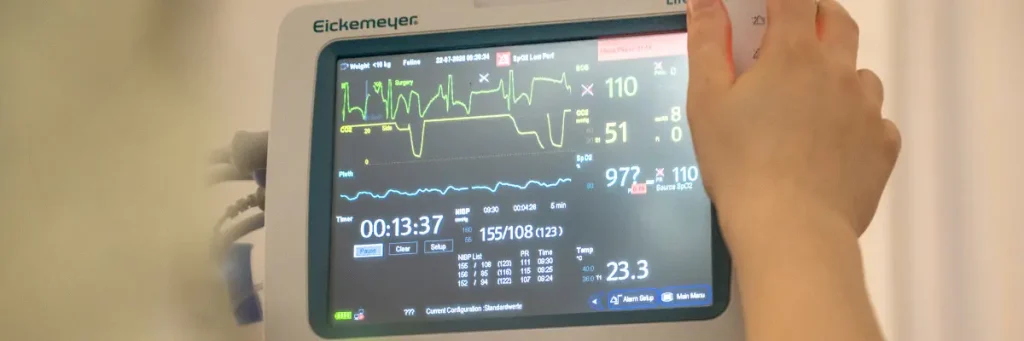
- Blood pressure measurement
- Blood and urine testing where appropriate
- A dental assessment
- Discussion of behavioural or mobility changes you’ve noticed at home
- Review of existing medications and supplements
As a Dogs Trust Dog Friendly Clinic, we understand that veterinary visits aren’t always easy for dogs, particularly as they get older. We aim to keep appointments calm and unhurried and adapt our approach to the individual dog wherever possible.
Keeping Your Senior Dog Comfortable at Home
Small changes around the house can make an enormous difference to an older dog’s comfort and independence.
- Provide a supportive orthopaedic or memory foam bed away from cold floors and draughts
- Consider ramps or steps for getting onto the sofa or into the car rather than encouraging jumping
- Raised food and water bowls may be more comfortable for dogs with neck or shoulder stiffness
- Replace one long walk with shorter, more frequent walks if your dog tires easily
- Consider a well-fitting coat during cold or wet weather
- Put non-slip mats or runners on slippery floors to give dogs with reduced mobility more confidence
- Keep daily routines reasonably consistent – predictability can be particularly reassuring for dogs experiencing sensory or cognitive changes
The aim isn’t to stop an older dog doing things they enjoy. It’s to help them continue doing those things comfortably and safely.
Nutrition for Senior Dogs
A dog’s nutritional requirements can change as they age.
Some senior dogs need fewer calories because they’re less active, while others struggle to maintain weight and muscle mass. Maintaining lean muscle becomes particularly important in older dogs, as good muscle strength supports mobility and general health.
Hydration matters too, especially in dogs with conditions affecting the kidneys or other organs.
There are many diets marketed specifically for senior dogs, but “senior” on the bag doesn’t automatically make a diet right for every older dog. Dogs with kidney disease, gastrointestinal problems, obesity or other medical conditions may have very different nutritional requirements.
Speak to us before making major dietary changes, particularly if your dog has an existing health condition. Candice has undertaken additional training in pet nutrition and can provide advice tailored to your dog.
Find out more about pet nutrition advice at Beehive Vets
Frequently Asked Questions
At what age should I start senior dog health checks?
It depends largely on your dog’s size and breed. Giant breeds may enter their senior years from around six or seven, whereas smaller dogs may not be considered senior until ten or eleven. We can advise you based on your individual dog’s age, breed and health history.
My dog seems fine – do they really need more frequent visits?
Yes. In fact, checking dogs while they still appear well is particularly useful. Many age-related diseases develop gradually and may not produce obvious symptoms initially. Regular checks give us the opportunity to identify subtle changes earlier.
How do I know if my dog is in pain?
Pain isn’t always obvious. Dogs with chronic discomfort may slow down, sleep more, hesitate before jumping, struggle to get comfortable, become less sociable or simply seem “older.” Any persistent change in mobility or behaviour is worth discussing with us.
Can arthritis be treated effectively in older dogs?
Absolutely. Although osteoarthritis itself can’t be cured, there are many ways to manage the pain and maintain mobility. Treatment can include weight management, appropriate exercise, pain-relieving medication, Librela, supplements and acupuncture. The best plan depends on the individual dog.
My dog seems anxious at night – could this be age related?
It could be. Pain, cognitive dysfunction, deterioration in eyesight or hearing and other medical conditions can all contribute to night-time anxiety or restlessness. We’d recommend an examination rather than assuming the behaviour is simply due to age.
Is my older dog too old for surgery or anaesthetic?
Age by itself isn’t a disease and doesn’t automatically make a dog unsuitable for an anaesthetic. We consider the individual dog’s general health, the procedure required and the balance between risks and benefits. Pre-anaesthetic blood tests and where appropriate additional investigations can help us assess that risk. Sometimes treating a painful condition surgically can dramatically improve an older dog’s quality of life.
Knowing When to Say Goodbye
This is the part of senior dog ownership that nobody wants to think about, but it’s one of the most important conversations we can have.
As dogs move further into their senior years, there may come a point where their quality of life changes significantly despite the best care and treatment available. Knowing when that time has arrived is one of the hardest decisions any owner will ever face, and there is no single answer that applies to every dog or every family.
What Is Quality of Life and How Do We Assess It?
Quality of life isn’t determined by age or by one particular diagnosis. It’s about looking at your dog’s overall experience.
It can help to ask yourself:
- Are they still having more good days than difficult ones?
- Can they still enjoy the things that matter to them – walks, food, family company or their favourite spot on the sofa?
- Are they eating and drinking?
- Are they experiencing pain that can no longer be adequately controlled?
- Can they move around with reasonable comfort?
- Are they still engaging with the people and animals around them?
It can be very difficult to assess these things objectively when you’re living with your dog every day. You don’t have to make that assessment alone. We’re always happy to talk through how your dog is doing and help you think through their quality of life.
You Don’t Have to Wait for a Crisis
It’s completely okay to ask us about euthanasia even if you’re not sure the time has come.
Having the conversation earlier can actually make things easier. It gives you the opportunity to understand what changes to watch for, what treatment options remain and what the process involves, without having to make every decision during an emergency.
Older dogs often have good days and bad days, and one particularly difficult or particularly good day doesn’t necessarily determine what happens next. Looking at the overall pattern is usually more helpful.
There is no pressure and no rush. Our job is to give you an honest assessment, answer your questions and support whatever is right for you and your dog.
When suffering can no longer be adequately controlled and the things that made life enjoyable have largely gone, choosing euthanasia can be the kindest decision we can make for an animal we love.
What Happens at Beehive Vets
If the time comes to say goodbye, we’ll explain everything clearly before anything happens so you know what to expect.
You are welcome to stay with your dog throughout if you wish. Equally, if you find that too difficult, you don’t have to. There is no right or wrong way to say goodbye.
Euthanasia is designed to be peaceful and prevent further suffering. Afterwards, you’re welcome to spend some quiet time with your dog for as long as you need.
We’ll also talk you through the available aftercare and cremation options sensitively and without pressure.
Saying goodbye is an incredibly difficult part of sharing our lives with animals. Being trusted to help a much-loved dog at the end of their life – and to support the family who loves them – is a privilege we never take lightly.
Find out more about saying goodbye at Beehive Vets
Looking After Your Senior Dog in Rothwell
Watching a dog grow older is one of the bittersweet parts of pet ownership. The puppy who once seemed to have limitless energy eventually becomes the dog who prefers a comfortable bed, a slightly shorter walk and perhaps a little help getting into the car.
But older doesn’t have to mean unwell.
With appropriate veterinary care, good pain management, sensible nutrition and a few changes at home, many senior dogs enjoy genuinely wonderful years with their families.
We love looking after our older patients at Beehive Vets, so if you’ve noticed something different – however small it might seem – please mention it. Often, the earlier we know about a change, the more we can do to help.
Call: 0113 824 2700
Email: hello@beehivevets.co.uk
Pop in: 103 Commercial Street, Rothwell, Leeds, LS26 0QD
Book an appointment online today.
We’re an independent practice in Rothwell and we’re always happy to support local media with honest, practical pet health advice. If you’re working on a story and need a vet’s perspective, drop us a line at hello@beehivevets.co.uk