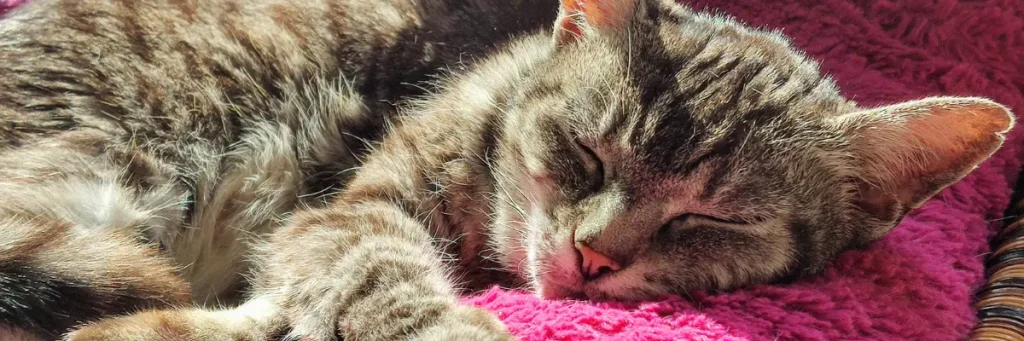
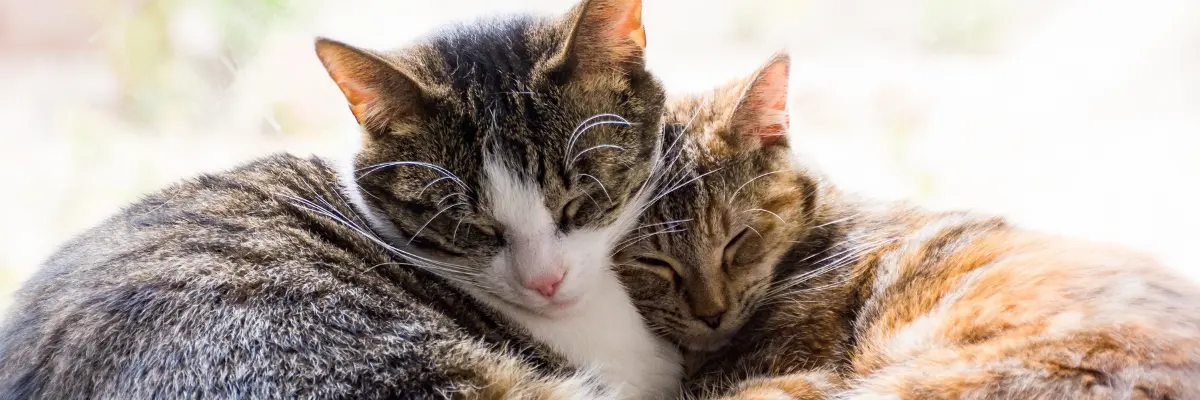
There’s something rather special about growing old with a cat. Perhaps they’ve been with you through house moves, new arrivals and countless changes in life. They know exactly where the warmest spot in the house is, have their favourite routines and, more often than not, have you very well trained.
But as our cats get older, their needs begin to change. And because cats are remarkably good at hiding illness and discomfort, those changes aren’t always easy to spot.
At Beehive Vets in Rothwell, we believe our older feline friends deserve a little extra attention. As a Gold Cat Friendly Clinic – the highest level of accreditation available – we’re passionate about making veterinary visits as stress-free as possible, while helping senior cats stay healthy, happy and enjoying life for as long as possible.
When Is a Cat Considered Senior?
Cats are generally considered senior from around 11 years of age, with those aged 15 and over often described as super-seniors.
Age doesn’t tell the whole story though.
We’ve all known cats who are still racing around the house at 16, seemingly oblivious to their advancing years. Equally, some cats begin experiencing age-related health problems considerably earlier. Just like people, cats age at different rates – their genetics, lifestyle, diet and underlying health all play a part.
What matters most isn’t the number on their birthday card. It’s recognising changes early and making sure they get the care they need as they grow older.
How Cats Age Differently to Dogs
Cats have a rather inconvenient habit of keeping their problems to themselves.
In the wild, showing signs of weakness could make an animal vulnerable. Our domestic cats have kept much of this instinct, which means they can be exceptionally good at disguising pain and illness. Unlike dogs, who tend to make it fairly obvious when something hurts, cats quietly adapt their behaviour instead.
They might stop jumping onto the windowsill, spend more time sleeping downstairs or become a little less enthusiastic about grooming. It’s easy to put these changes down to getting old – but old age itself isn’t a disease, and many of the conditions responsible for these changes can be treated or managed well.
That’s why knowing what to look for matters so much.
Health Conditions Common in Senior Cats
As cats get older, certain health conditions become increasingly common. Here are some of the problems we regularly look for when examining our senior feline patients at Beehive Vets.
Kidney Disease (Chronic Kidney Disease)
Chronic kidney disease, or CKD, is one of the most common conditions affecting older cats. The kidneys gradually become less efficient at filtering waste products and maintaining the body’s fluid balance – and this often develops slowly, with few obvious symptoms in the early stages.
Signs to watch for include:
- Drinking more water than usual
- Passing larger amounts of urine
- Gradual weight loss
- Reduced appetite
- Lethargy or changes in behaviour
Blood and urine tests can help us identify kidney disease, sometimes before an owner notices anything unusual. Although CKD can’t usually be cured, early diagnosis, appropriate nutrition and ongoing treatment can make a substantial difference to a cat’s comfort and in many cases, longevity.
Hyperthyroidism
Hyperthyroidism is particularly common in cats over ten. It occurs when the thyroid gland produces excessive thyroid hormone, speeding up the body’s metabolism. One of the classic signs is a cat who seems constantly hungry but continues to lose weight.
Other symptoms can include increased thirst, restlessness, vomiting, diarrhoea and changes in coat condition. Some cats become unusually vocal or active, particularly at night.
Diagnosis usually involves a blood test to measure thyroid hormone levels. The encouraging news is that hyperthyroidism is often very manageable. Treatment options include medication, specialised diets, radioactive iodine treatment and in selected cases, surgery. With appropriate treatment, many affected cats go on to enjoy an excellent quality of life.
Arthritis and Joint Pain
Arthritis is extremely common in older cats – and one of the most frequently overlooked causes of discomfort.
Unlike dogs, arthritic cats rarely develop an obvious limp. Instead they quietly adjust their behaviour to avoid activities that hurt. You might notice your cat:
- Hesitating before jumping onto furniture
- No longer visiting favourite high places
- Struggling to get into the litter tray
- Grooming less thoroughly, particularly around their back
- Becoming irritable when handled
These changes can be gradual, which makes them easy to miss. But we now have a range of options for managing feline arthritis, including modern pain-relieving treatments, environmental changes and weight management. Your older cat doesn’t have to just put up with painful joints.
Dental Disease
Dental disease is incredibly common in cats, particularly as they age. Problems such as periodontal disease, fractured teeth and painful tooth resorption can cause considerable discomfort – and one of the biggest misconceptions is that a cat with dental pain will stop eating. In reality, many cats continue eating normally even when their mouths are very sore.
Signs of dental problems may include bad breath, drooling, dropping food, chewing on one side or becoming reluctant to eat harder foods.
Regular dental examinations allow us to identify problems before they become more serious. Addressing painful dental disease can make a remarkable difference to a cat’s comfort and day-to-day wellbeing.
High Blood Pressure (Hypertension)
High blood pressure isn’t just a human problem. Cats can develop hypertension too, particularly as they get older. It may occur alongside conditions such as kidney disease or hyperthyroidism, although some cats develop it without any identifiable underlying cause.
Hypertension often produces few outward signs until it begins affecting important organs – it can damage the eyes, kidneys, heart and brain, and in severe cases sudden blindness may be the first obvious symptom.
This is exactly why blood pressure monitoring is such a valuable part of senior cat healthcare. Measuring blood pressure is non-invasive and generally well tolerated, particularly when cats are given time to settle in a calm environment. Identifying hypertension early allows treatment to begin before serious complications develop.
Cancer
As cats grow older, their risk of developing certain cancers increases. Not every lump, bump or unexplained symptom means cancer – many changes have entirely different, treatable causes. But some signs are worth investigating promptly:
- New or growing lumps
- Unexplained weight loss
- Persistent vomiting or diarrhoea
- Changes in appetite
- Wounds that don’t heal
- Unusual lethargy or changes in behaviour
Early assessment gives us the best opportunity to work out what’s happening and discuss the right options. Sometimes treatment may be aimed at curing a condition. In other situations, maintaining comfort and quality of life becomes the priority. Either way, we’ll always talk you through the options honestly and with as much care as we can.
The Signs Every Senior Cat Owner Should Know
You don’t need to be a vet to notice when something might be changing with your cat. Often the most useful observations come from the people who know them best.
Keep an eye out for:
- Weight loss, even if your cat is eating normally or more than usual
- Increased thirst or urination, including larger clumps in the litter tray
- Changes in litter tray habits, such as accidents outside the tray
- Reduced mobility, hesitation when jumping or difficulty climbing stairs
- Changes in grooming, including a greasy, matted or unkempt coat
- Increased vocalisation, especially during the night
- Confusion or disorientation, such as appearing lost in familiar surroundings
- Changes in appetite, whether eating more or less than usual
- Hiding more frequently, becoming unusually clingy or seeming less interested in family life
None of these automatically means something serious is wrong. But they shouldn’t simply be put down to old age either.
If something doesn’t feel quite right, trust your instincts. You know your cat better than anyone.
Arthritis and Cold Weather: Why Autumn and Winter Can Be Harder for Senior Cats
As the weather turns colder and damper around Rothwell, some owners notice their older cats becoming noticeably less mobile.
Cats with arthritis may appear stiffer after resting, take longer to get going or become increasingly reluctant to jump onto their favourite furniture. Cold temperatures can contribute to stiffness and discomfort, and winter is a sensible time to pay a little extra attention to your senior cat’s mobility.
A few simple changes around the house can make a surprisingly big difference:
- Provide warm, draught-free beds with soft, supportive bedding in a quiet location
- Use low-sided litter trays, which are particularly helpful for cats with stiff hips or painful joints
- Introduce steps or ramps to help your cat reach favourite sofas, beds and windowsills without having to jump
- Keep food, water and litter trays accessible without navigating lots of stairs
- Keep an eye on weight – excess weight places additional strain on already uncomfortable joints
If your cat seems noticeably stiffer or less active as autumn and winter arrive, it may be time to review their pain management. At Beehive Vets we take a multimodal approach to managing chronic pain, combining appropriate medication, lifestyle adjustments and supportive treatments where beneficial. We also offer acupuncture as an additional treatment for selected patients.
Find out more about acupuncture at Beehive Vets
How Often Should Senior Cats See a Vet?
For most senior cats, we recommend a check-up at least every six months rather than once a year.
Six months might not sound very long, but a lot can change in an older cat during that time. Conditions such as kidney disease, hyperthyroidism and high blood pressure can develop gradually, sometimes without obvious symptoms at home. More frequent examinations give us the opportunity to monitor weight, assess mobility, check for emerging health problems and make adjustments before small issues become bigger ones.
Some cats will benefit from additional blood tests, urine tests or blood pressure monitoring, depending on their age and individual circumstances.
Our BeeWell Nurse Clinics can also provide valuable support with routine monitoring, weight management and general wellbeing between veterinary consultations.
The aim isn’t to bring your cat to the practice unnecessarily. It’s to help them stay healthier for longer.
What a Senior Cat Check-Up at Beehive Vets Involves
We know that a visit to the vet isn’t every cat’s favourite outing – and we’ve put a lot of thought into making our practice as welcoming and stress-free as possible for our feline patients.
As a Gold Cat Friendly Clinic, the highest accreditation awarded by the International Society of Feline Medicine, we have separate waiting areas, feline pheromone products and dedicated cat advocate team members who help champion the needs of our feline patients throughout every visit.
For particularly nervous cats, Wednesday is often a good day to book, when the clinic tends to be quieter. Just mention your cat’s worries when booking and we’ll advise you.
A senior cat consultation will typically include:
- A thorough physical examination – listening to the heart, examining the abdomen and checking for abnormalities
- Weight and body condition assessment, looking for subtle changes in weight or muscle mass
- Dental examination, checking for signs of painful dental disease
- Mobility assessment, looking for evidence of arthritis or discomfort
- Blood pressure measurement, particularly important in older cats and those with certain underlying conditions
- Blood and urine testing where appropriate, helping us assess kidney function, thyroid health and other important indicators
- A conversation about life at home – appetite, drinking, toileting, behaviour and any changes you’ve noticed
Not every cat needs every test at every appointment. We’ll recommend investigations based on your cat’s individual needs and always explain the reasons behind them.
Keeping Your Senior Cat Comfortable at Home
Sometimes the simplest changes have the biggest impact on an older cat’s quality of life. You don’t need to completely redesign your house – a few thoughtful adjustments can make everyday activities much easier.
Food and water: Place bowls somewhere easily accessible. Slightly raised bowls may help some cats, while others prefer eating at floor level. Offering several water stations around the house can encourage drinking.
Litter trays: Choose trays with low entrances and position them somewhere quiet and easy to reach. If your home has several floors, consider a tray on each level.
Sleeping areas: Older cats often appreciate warm, comfortable places to rest away from cold draughts. Make sure any heated beds or pads are specifically designed for pets and used safely.
Favourite spots: Small steps or ramps can help arthritic cats continue enjoying the sofa, bed or sunny windowsill without having to jump.
Daily routines: Cats generally appreciate predictability. Keeping feeding times and household routines consistent can be particularly helpful for older cats experiencing sensory or cognitive changes.
Grooming: If your cat is struggling to keep their coat tidy, gentle brushing can help prevent uncomfortable matting.
Nutrition for Older Cats
Good nutrition plays an important role in keeping senior cats healthy, and nutritional requirements can change as cats age. Some lose muscle mass more easily, while others develop medical conditions that need specific dietary adjustments.
A good quality complete senior cat food may be suitable for many healthy older cats, but there’s no single diet that’s right for every senior feline. Cats with chronic kidney disease may benefit from a specially formulated renal diet, while those with other health conditions may have very different nutritional requirements.
Hydration matters too. Wet food can be a useful way of increasing water intake, especially for cats who aren’t enthusiastic drinkers. And regular weight monitoring is valuable – unexplained weight loss should never simply be assumed to be a normal part of ageing.
Before making significant dietary changes, particularly if your cat has an existing medical condition, it’s worth having a conversation with the team first.
Find out more about pet nutrition advice here at Beehive Vets
Knowing When to Say Goodbye
One of the hardest parts of sharing our lives with cats is knowing that their time with us is never quite long enough.
For owners of very elderly cats, there may eventually come a point when thoughts turn to quality of life and whether their companion is still enjoying the things that make them happy. These are never easy conversations – but they’re important ones, and you don’t have to navigate them alone.
What Is Quality of Life and How Do We Assess It?
Quality of life is about much more than a cat’s age or medical diagnosis. When helping families think through these decisions, we consider questions like:
- Are there still more good days than bad?
- Is your cat eating and drinking comfortably?
- Can they move around and use the litter tray without significant difficulty?
- Are they still enjoying favourite activities, even if those activities have changed?
- Can pain, nausea or other symptoms be controlled adequately?
- Are they still engaging with you and their surroundings in ways that feel meaningful?
No single question provides the answer. Keeping a simple diary of good and bad days can sometimes help identify changes that are difficult to see when you’re living with them every day.
You Don’t Have to Wait for a Crisis
Many owners worry about making the decision too early, while others fear leaving things too late. There isn’t always a clear dividing line, and every cat’s circumstances are different.
We’d encourage you to talk to us before reaching a crisis point. That gives us time to assess comfort, explore treatment options and talk through what the coming weeks or months might look like.
Having that conversation doesn’t mean committing to anything. It simply means making sure you have the information and support you need to make the kindest decision for your cat when the time comes.
What Happens at Beehive Vets
When the time comes, our priority is to make saying goodbye as peaceful and dignified as possible. We’ll explain what to expect, answer your questions and give you time with your cat.
Euthanasia is usually carried out using an injection that allows your cat to pass away peacefully. Sedation may be given beforehand where appropriate to help them remain relaxed and comfortable.
You’re welcome to stay with your cat throughout – but if you feel unable to do so, that’s completely understandable too. We can also talk you through aftercare arrangements, including cremation options, without any pressure to make decisions before you’re ready.
There is no right or wrong way to feel about losing a much-loved companion.
Find out more about saying goodbye at Beehive Vets
Frequently Asked Questions
At what age should I start senior cat check-ups?
Cats are generally considered senior from around 11 years old, although we often recommend paying closer attention to age-related changes from around seven years onwards. From 11 years, twice-yearly health checks are particularly valuable, with additional monitoring recommended where appropriate.
My cat seems fine – do they really need more frequent visits?
Yes, we’d generally recommend them. Cats are exceptionally good at hiding illness, and conditions such as kidney disease, hyperthyroidism and high blood pressure can develop without obvious symptoms. Regular check-ups help us identify potential problems before your cat becomes noticeably unwell.
How do I know if my cat is in pain?
Pain in cats is often surprisingly subtle. Rather than crying or limping, your cat may stop jumping, sleep more, become less sociable, change their grooming habits or struggle with the litter tray. If you’ve noticed changes in your cat’s normal behaviour, it’s worth arranging an examination.
Can older cats be treated for conditions like kidney disease and arthritis?
Absolutely. Although many age-related conditions can’t be completely cured, they can often be managed very successfully. Kidney disease may be supported through appropriate diets, medication and monitoring, while arthritis can often be managed with pain relief, environmental adjustments and other supportive treatments. The aim is to maintain comfort and quality of life for as long as possible.
Is my senior cat too old for anaesthetic or surgery?
Age alone isn’t a reason to avoid anaesthesia or surgery. What matters more is your cat’s overall health, any underlying medical conditions and the nature of the proposed procedure. We assess each patient individually and may recommend blood tests or other investigations beforehand. Sometimes treating a painful condition like severe dental disease can make an enormous difference to an older cat’s quality of life.
Looking After Your Older Cat in Rothwell
Watching a much-loved cat grow older can be bittersweet. The energetic kitten who once climbed your curtains might now prefer a warm blanket and an uninterrupted afternoon nap – but that doesn’t mean their best days are behind them.
With regular health checks, thoughtful care and appropriate treatment when needed, many senior cats continue to enjoy wonderful lives well into their late teens and beyond.
At Beehive Vets in Rothwell, we genuinely love cats. From our Gold Cat Friendly facilities to our focus on preventative healthcare and pain management, we want every feline patient to feel as comfortable and cared for as possible.
Whether you’ve noticed a change in your cat’s behaviour, have questions about their health or simply want reassurance that you’re doing everything you can for them, we’re always happy to have that conversation.
Call: 0113 824 2700
Email: hello@beehivevets.co.uk
Pop in: 103 Commercial Street, Rothwell, Leeds, LS26 0QD
Book an appointment online today.
We’re an independent practice in Rothwell and we’re always happy to support local media with honest, practical pet health advice. If you’re working on a story and need a vet’s perspective, drop us a line at hello@beehivevets.co.uk