As the long-awaited summer arrives and temperatures climb, we pet owners need to be mindful of the dangers of Heat Related Illness – otherwise known as heatstroke. It’s a real hot topic for dog and cat owners, but we’ve got you covered.
Unlike us, animals have limited ways of cooling themselves down. They can’t really sweat (except through their paws) and they can’t tell us if they’re struggling. So, you need to keep an eye on them and look for the signs.
Knowing what to look for and what to do could make all the difference.
What to Do If Your Pet Has Heatstroke: First Aid Steps
Acting quickly is the most important factor in giving your pet the best chance of a full recovery. Here are the steps to follow:
Step 1: Move Them Out of the Heat Immediately
Get your pet away from the heat source as soon as possible. Move them to a shaded, well-ventilated area indoors, with airflow. This is a priority above everything else.
Step 2: Call Your Vet
Make the call straight away! Don’t wait to see whether your pet improves first. Heatstroke can be more serious than it appears. Call while you continue to cool your pet.
Step 3: Apply Cool Water, But Not Ice-Cold Water
Begin pouring cool water over your pet, focusing on areas where fur is thinner and blood vessels are closer to the surface: over the body, stomach and legs in particular. If they are panting water over the head can cause aspiration pneumonia.
The water must be cool, not icy cold. Very cold water should not be used as the sudden shock to the system can actually impede blood flow and cause further harm.
If you have ice-packs, they can be placed by the animal’s armpits and groin to help reduce its body temperature, but they must be wrapped in a towel or similar to avoid the ice burning your pet’s sensitive skin.
Do not cover your pet in a single cool towel or cloth because it will warm up against the body and retain heat, making the problem worse. Instead, apply cool damp cloths and change them frequently to keep them cool.
If you’re at home, placing your pet in the bath and running a cool shower over them is a good option. Obviously, many cats have an aversion to getting wet, so proceed carefully.
Step 4: Offer Water
If your pet is conscious and able to drink, offer cool water and let them drink at their own pace. Don’t force it, simply make it available.
Step 5: Keep Them Calm
Speak to your pet calmly and reassuringly throughout. Stress and agitation will make the situation worse. Try to keep them as settled as possible while you work to cool them down.
Step 6: Get to the Vet
If your vet has advised you to bring your pet in, or if you have any doubt, transport them to the practice. Keep cooling them during the journey: continue with damp cloths and ensure there is good airflow in the car. Do not leave them unattended.
Heatstroke is an emergency. If you suspect your pet is suffering, call your vet immediately.

What Is Heatstroke in Cats and Dogs?
Heat Related Illness (known informally as ‘heatstroke’) occurs when a pet’s body temperature rises above its normal safe limits as a direct result of environmental heat. This is unlike a fever caused by illness or infection. Heatstroke is entirely driven by external conditions.
It’s tempting to think it only happens to dogs but, while it is more common in dogs, it is still a condition that can affect cats.
Heat Related Illness and is split into three stages:
1: Heat Stress
This is the earliest warning sign and it’s the stage where acting quickly makes the biggest difference.
Your pet is working hard to cool down but hasn’t yet been overwhelmed. You might notice heavy panting, restlessness, or your pet actively seeking shade or a cool surface. They may seem reluctant to keep moving, produce more saliva than usual, or appear mildly lethargic.
At this point, the body is still coping, but only just. Move your pet somewhere cool, offer fresh water and stop any exercise immediately. If the situation that caused it isn’t removed, things can worsen quickly.
2: Heat Exhaustion
By this stage, your pet is struggling and veterinary advice is needed quickly.
The panting will be more intense and laboured. You may notice thick, ropey drooling, a rapid heartbeat and your pet becoming visibly wobbly or weak on their feet. Their eyes may look glazed. Gums can appear pale or an unusual bright red. Vomiting or diarrhoea may also begin.
This is no longer something that will pass on its own. Start cooling your pet immediately using cool (not cold or iced) water applied to the skin – particularly around the groin, neck and armpits – and contact your vet straight away. Even if your pet seems to rally, internal damage can occur without obvious outward signs.
3: Heatstroke
Heatstroke is a life-threatening emergency. The body’s ability to regulate temperature has broken down entirely and every minute without help matters.
Signs include collapse, seizures, muscle tremors and loss of consciousness or profound confusion. Panting may stop altogether as the pet deteriorates further. Gums may shift from bright red to pale or grey. There may be bloody vomiting or diarrhoea.
At this stage, multiple organs are under serious threat, including the kidneys, liver and brain. Call your vet immediately and begin gentle cooling on the way. Do not use ice or ice-cold water and do not wrap your pet in wet towels, as both can make things worse. Get them to a practice as fast as you safely can.
What Happens to a Pet Suffering From Heatstroke?
1: Dogs
In dogs, the primary cooling mechanism is panting. Rapid, open-mouthed breathing allows moisture to evaporate from the lungs and airways, carrying heat out of the body. When the air around them is already hot and humid, however, the body generates heat faster than it can disperse it and core temperature begins to rise. This is why heatstroke in dogs often arises through too much exercise on hot days.
2: Cats
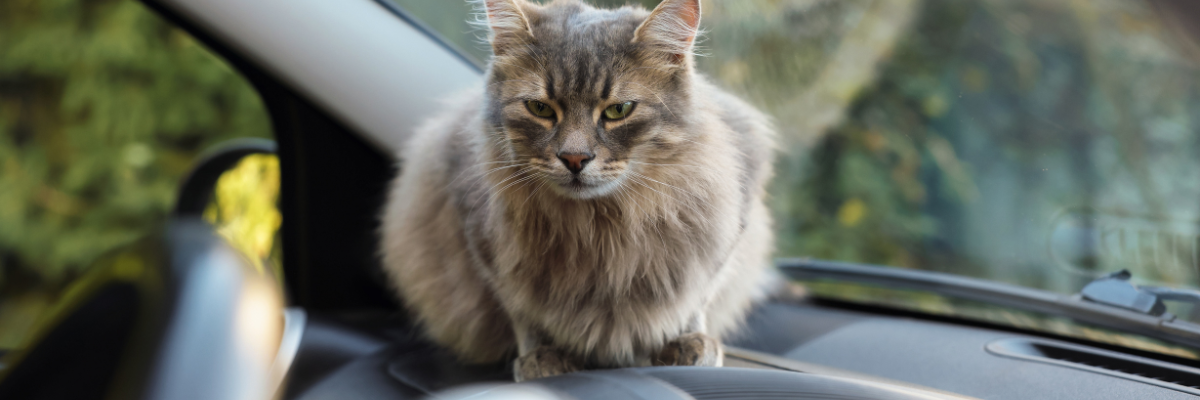
Cats typically cool themselves by licking their fur (the evaporation provides a cooling effect), seeking shade or adjusting their activity to cooler parts of the day. Because of this, heatstroke in cats isn’t caused by exercise, as with dogs, but from being accidentally trapped in a hot, poorly ventilated space such as a shed, greenhouse, conservatory, garage or car.
What Are the Dangers?
The dangers of serious Heat Related Illness extend well beyond the immediate discomfort of overheating. If our pet’s body temperature continues to rise unchecked, the risk of serious internal damage increases rapidly. At temperatures above 41.2°C, a dog’s organs can begin to fail, which can quickly become life-threatening. It’s 40°C for cats.
This is why heatstroke is treated as an immediate medical emergency, not something to monitor cautiously and hope resolves on its own.
Speed of response genuinely matters here. The quicker a pet can be safely cooled down, the better their chance of a full recovery. Every minute that passes with body temperature elevated increases the potential for harm. Cooling should begin as soon as heatstroke is suspected, while simultaneously getting a vet on the phone.
In What Circumstances Is Heatstroke Most Likely to Occur?
Several specific situations put pets at significantly elevated risk:
- Vigorous exercise in hot weather. A dog that has been running hard during warm conditions can overheat quickly, especially without adequate rest breaks. 74% of Heat Related Illness cases we see are related to walks or exercise.
- Being left in a parked car. As this is one of the most well-documented and avoidable causes of heatstroke, it is no longer the principle cause of Heat Related illness. But, it is still worth remembering that, even with windows left open and a water bowl inside, temperatures inside a stationary car rise to dangerous levels very rapidly, even on days that don’t feel especially warm to us.
- Being left in a conservatory, shed or glass house. The same principle applies, any closed space that has windows and poor ventilation is a potential heatstroke danger for dogs and cats.
- Wearing a muzzle in hot conditions. Muzzled dogs cannot pant freely, because panting is how dogs cool themselves, any restriction on that ability dramatically reduces their capacity to manage their own temperature.
- Hot pavements and sandy surfaces. The ground can reach extreme temperatures on sunny days, creating heat from below as well as above.
- Being outside for extended periods without shade, water or rest. Prolonged sun exposure without the ability to cool down is a significant risk for any animal.
Signs of Heatstroke in Dogs and Cats
Early Warning Signs
The earlier you spot heatstroke developing, the better the outcome is likely to be. Early warning signs that your pet is struggling with the heat include:
- Noticeably increased panting and faster breathing than normal
- A dry mouth and dry or discoloured gums
- Lethargy or tiredness that seems out of proportion to the activity or conditions
- A reluctance to keep moving, or slowing down significantly during a walk
These signs indicate that the body is already under heat stress. Don’t wait to see whether they resolve, act immediately.
Signs of Severe Heatstroke
As heatstroke progresses, the signs become more urgent and alarming:
- Heavy, laboured or distressed panting or, alternatively, drooling and foaming at the mouth
- Vomiting
- Diarrhoea
- Pronounced weakness or difficulty standing
- Confusion or disorientation, meaning the dog may appear unresponsive or unaware of their surroundings
- Seizures in the most serious cases
If your pet is showing these signs, you are dealing with a medical emergency. Call your vet immediately and begin cooling your pet at the same time.
Which Pets Are Most at Risk?
Flat-Faced (Brachycephalic) Breeds
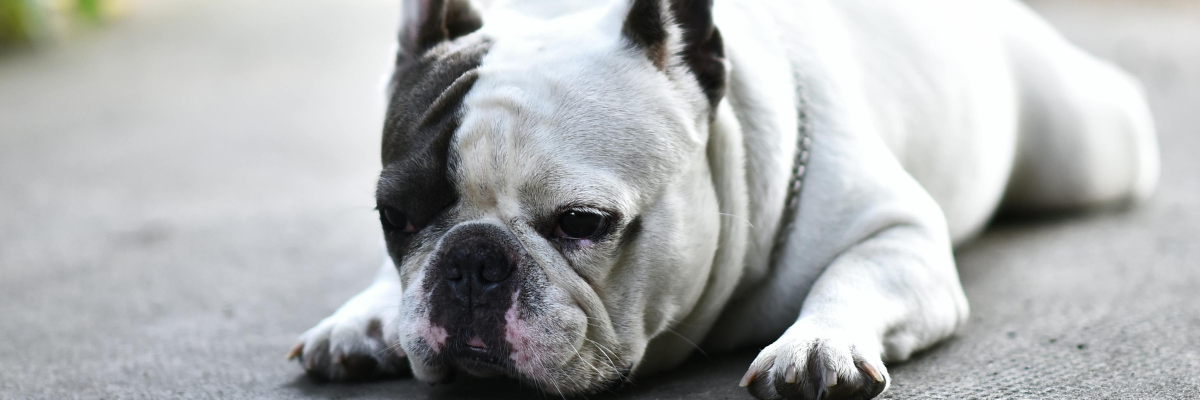
Flat-faced breeds are significantly more vulnerable to heatstroke than other cats and dogs. This comes down directly to the structure of their airways. These animals can be affected by a condition called BOAS (aka Brachycephalic Obstructive Airway Syndrome) in which the upper airway is partially obstructed. This means every breath requires more effort than it would for a dog with a normal airway.
The condition affects dog breeds such as Pugs, Bulldogs and French Bulldogs, as well as cat breeds like Persians and Himalayans.
Because panting is how dogs release heat, any restriction on breathing ability makes temperature regulation far harder. Similarly, in cats, if they are struggling to breathe, then the heat will be very difficult for them.
Read more about BOAS, its symptoms and how it’s treated, here.
Older Pets, Puppies and Kittens
A common issue for older pets and puppies or kittens is that like human babies, they are less able to regulate their body temperature. This means they are even more susceptible to the dangers of heatstroke, even in less intense heat – so be extra vigilant.
Overweight or Larger Pets
Overweight dogs and cats are among the first to suffer in hot conditions. It’s not difficult to understand why: carrying excess weight increases the physical effort involved in any activity, generating more heat within the body, which can further narrow airways. This is particularly an issue for flat-faced pets who can be struggling to breathe already.
Maintaining a healthy weight is one of the key prevention measures our team highlights for reducing heatstroke risk. If you’re concerned about your dog or cat’s weight, Beehive Vets offers dedicated nurse-led weight clinics, providing tailored plans, nutrition advice and ongoing support.
Learn more about our pet weight management clinics here.
Pets with Thicker Fur
Many dogs have double coats that should not be clipped in warmer months. The double coat helps them regulate their own temperature in both hot and cold conditions.
Breeds that don’t need clipping include Siberian Huskies, Malamutes, Pomeranians, Old English Sheepdogs, Rough Collies, Shetland Sheepdogs, German Shepherds, Tibetan Mastiffs and Retrievers, among many, many others.
However, if your dog is a breed that does require clipping, such as Labradoodles or Cockerpoos, then a good trim will help keep them cooler.
As with anything to do with Heat Related Illness – if you’re not sure whether your dog needs clipping, give us a ring and ask.

How to Prevent Heatstroke in Pets
Adjust Walk Times in Hot Weather
Switching to early morning or evening walks during warm spells is one of the most effective preventative steps you can take. These are the coolest parts of the day and, crucially, the ground surfaces such as pavements, sand and tarmac will also be far cooler underpaw. Hot ground compounds the overall heat load on your pet.
On very warm days, keep walks short and the pace gentle. If your dog is running around vigorously and the temperature is high, it’s worth keeping the session brief. Watch how they’re coping and don’t push on if they’re showing any signs of tiring or struggling.
A staggering 74% of the cases we see are due to exercise related activities, with 63% of these cases just being from your dog’s daily walk.
Never Leave Pets in a Parked Car
This is one of the clearest and most important messages around heatstroke prevention. And it cannot be said firmly enough: Never leave your pets in a parked car. Ever. Temperatures inside a stationary car can reach dangerous levels extremely quickly, even on a day that feels mild to us, even with windows open and even with water available in the car. None of those measures make leaving an animal in a parked car safe. If you’re making any kind of stop, your pet goes with you or stays at home.
Keep Indoor Environments Cool
Having a cool, comfortable indoor environment gives your pet somewhere safe to rest on hot days. Fans, closed blinds or curtains during the hottest hours, along with cool floors they can lie on, all help. Tiles and stone floors are often sought out by dogs on warm days for good reason; they’re an effective way to draw heat away from the body. Make sure your pet can access these areas freely.
Fresh Water, Shade and Rest
When you’re out with your dog, always take water and a bowl, don’t rely on there being somewhere to drink along the way. Then, actively seek out shaded spots to rest. At home, check that your garden offers shade throughout the day, as the sun moves, and make sure that fresh water is always available and topped up.
If you’re near water and your dog is comfortable swimming, it’s an excellent way to keep them cool.
Extra Precautions for High-Risk Pets
If your dog is a flat-faced breed, is overweight, or has any underlying condition affecting their breathing or fitness, the standard precautions need to be applied more strictly:
- Use a harness rather than a collar and lead for brachycephalic breeds
- If your dog wears a muzzle, pay close attention to how they’re coping in warm weather as muzzled dogs can overheat much faster because their ability to pant is restricted
- Keep exercise sessions shorter and lower in intensity than you would at other times of year
- On particularly hot days, keep high-risk pets indoors during the hottest part of the day
What Happens When a Pet Is Treated for Heatstroke?
Veterinary Treatment for Heatstroke
Heatstroke is treated as an immediate medical emergency. The sooner you call us and bring your pet to the practice, the more options we have.
If you want to know more about how heatstroke is treated at Beehive Vets, call us on 0113 824 2700 and we’ll be happy to talk you through it.
Recovery and Aftercare
Recovery will depend on how severe the episode was and how quickly cooling and treatment began. Even if your pet appears to have recovered from heatstroke, you should still contact us. A check-up is always the right call after any suspected heatstroke episode, just to ensure there is no lingering internal damage.
Conclusion: Heatstroke Is Always an Emergency
Heat Related Illness can move from mild Heat Stress to life-threatening Heatstroke faster than many owners expect. It is not a situation for a cautious wait-and-see approach. If you suspect your pet is overheating, start cooling them and call your vet at the same time. Those two things happening simultaneously, not one after the other, will give your pet the best possible chance.
The reassuring part is that Heat Related Illness is largely preventable with a few common-sense precautions:
- Timing walks for the cooler parts of the day
- Never leaving your pet in a parked car
- Keeping them a healthy weight
- Providing shade and fresh water
- Paying extra attention to high-risk breeds and animals
All these simple steps can make a genuine difference. A little extra planning in summer goes a long way.
If you have any concerns about your pet’s weight, a breathing condition, or what to do in a warm-weather emergency, the team at Beehive Vets is here to help:
Call: 0113 824 2700
Email: hello@beehivevets.co.uk
Pop in at 103 Commercial Street, Rothwell, Leeds, LS26 0QD